CHARLOTTETOWN – Prince Edward Island is facing a fiscal crisis as the province’s projected deficit has nearly doubled in just six months, reaching a staggering $367.4 million. The figures, released in the government’s second-quarter financial update on Thursday, have sparked sharp criticism from Auditor General Darren Noonan, who warned of an “unsustainable” debt burden for future generations.
In April, the government originally projected a deficit of $183.9 million. The new estimate represents a massive leap, driven by soaring costs in health care and emergency climate responses.
Auditor General Sounds the Alarm
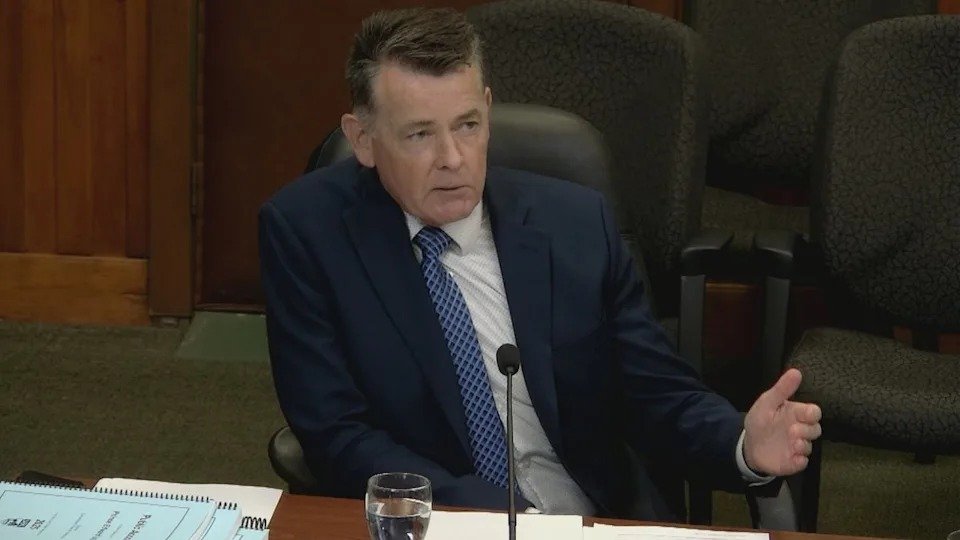
Auditor General Darren Noonan expressed deep concern over the province’s fiscal trajectory. He emphasized that without significant spending cuts or tax increases, the growing debt would become a major liability.
“The province is living on borrowed money,” Noonan cautioned, noting that the long-term debt has now climbed to $3.73 billion.
The cost of merely servicing this debt—paying the interest—is now $171 million annually, an increase of $46 million compared to five years ago.
Factors Driving the Deficit
Finance Minister Jill Burridge defended the increased spending as “necessary” for essential services, citing several key areas where costs exceeded expectations:
- Health Care: An additional $70.9 million in expenditures due to staffing, collective agreements, and out-of-province medical services.
- Agriculture: $20 million in insurance claims resulting from extreme weather events linked to climate change.
- Social Programs: $13.8 million for enhanced social development and senior support.
- Economic Pressures: Lower-than-expected tax revenues and federal transfers.
Government Response
Despite the “ballooning” red ink, Minister Burridge maintained that the government remains committed to supporting Islanders. She stated that while the deficit is a setback, a detailed plan to stabilize the province’s finances will be presented in the new year.
Opposition members and organizations like the Canadian Taxpayers Federation have called for an immediate freeze on new spending, warning that a potential credit rating downgrade could further drive up borrowing costs.